Transport
Getting Around London
There is no single best way to travel. The trick is to use whichever method suits the journey.

By Dave Hart
Vice President of Onyx
3 min read
London is enormous, but getting around it is surprisingly easy once you accept one important fact: there is no single best way to travel. The trick is to use whichever method suits the journey. And it’s important to remember that although the city is huge, most of the sights are concentrated in a fairly manageable area.
1. The Tube
The Tube is usually the quickest way to cross central London. There are 11 Underground lines serving 272 stations, and trains are frequent. It is particularly good when you’re travelling several miles or the weather is doing its worst. The disadvantage is that some stations involve surprisingly long walks, stairs and escalators - and on a hot, crowded train on a sunny day in August, you may wonder why you didn’t walk? On a cold, wet November day the train may still be crowded but at least it won’t be hot and the weather outside will be much less conducive to a stroll!
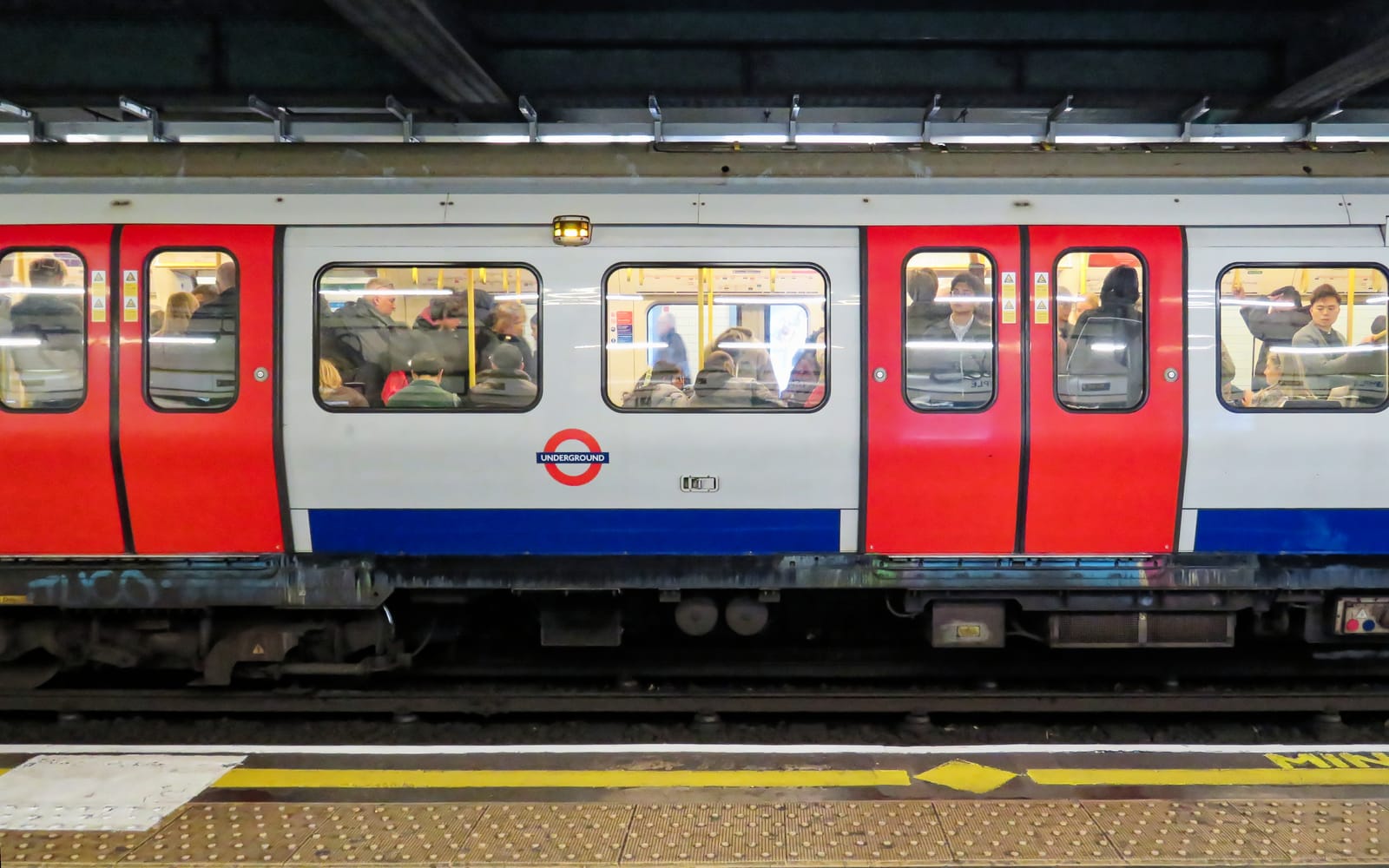
Temple Station underground train City of Westminster London England 02 (opens in a new tab)
Photo: Acabashi (opens in a new tab) / Wikimedia Commons (opens in a new tab)
Licence: CC BY-SA 4.0 (opens in a new tab)
Changes: cropped to 3:2; colour slightly adjusted.
2. Buses
London’s buses are often overlooked, although not by locals. While taking the bus is slower, it’s often more enjoyable. The famous red double-deckers give you a constantly changing view of London rather than a tunnel wall. They are particularly useful for shorter journeys where taking the Tube would involve changing lines.
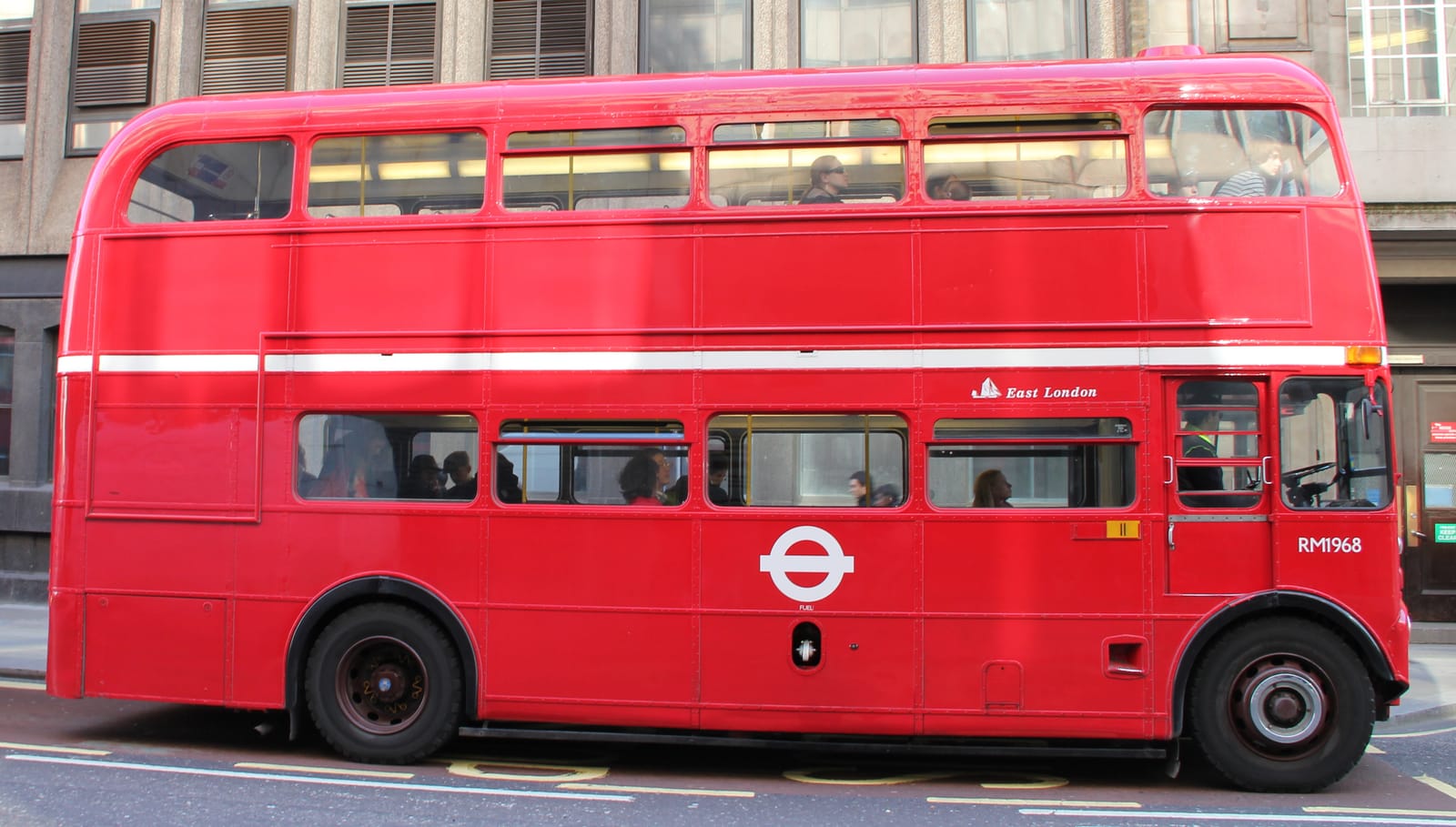
Photo: R. M. Calamar from Brooklyn, New York, USA (original file), cropped by User:Ultra7 / Wikimedia Commons (opens in a new tab)
Licence: CC BY 2.0 (opens in a new tab)
Changes: cropped to 3:2; colour slightly adjusted.
3. Black cabs

Then there is the iconic black cab. Hail one in the street, find a taxi rank or book one. They are particularly good for several people travelling together, luggage or journeys where you don’t want to think about changes. But be warned: getting stuck in London’s notorious traffic can make a relatively short journey frustrating and alarmingly expensive.
4. Uber and private hire
Uber and other private-hire cars offer another option. Booking by app is convenient and you know the price before setting off. They can be particularly useful late at night or when you are somewhere without an obvious taxi rank. But they are still cars, and London traffic remains London traffic.
5. Walking

For many visitors, walking is the best option. Central London is much more compact than it looks on a map. Westminster to Trafalgar Square, Covent Garden to Leicester Square or the South Bank to St Paul’s are all perfectly manageable on foot. Walking also reveals the London that you miss underground - small streets, unexpected squares, old pubs and magnificent buildings and street markets.
6. Cycling
If you are feeling more adventurous and are confident on two wheels, then cycling can be a brilliant way of covering ground. Santander Cycles are widely available, with more than 12,000 bikes and hundreds of docking stations across London.
7. The river
If you’ve got time and the route works for you, don’t ignore the river. Uber Boat by Thames Clippers serves 24 piers from Putney to Barking Riverside. It isn’t usually the quickest option, but where else can your journey take you past the Houses of Parliament, London Eye, Tower of London and Greenwich?
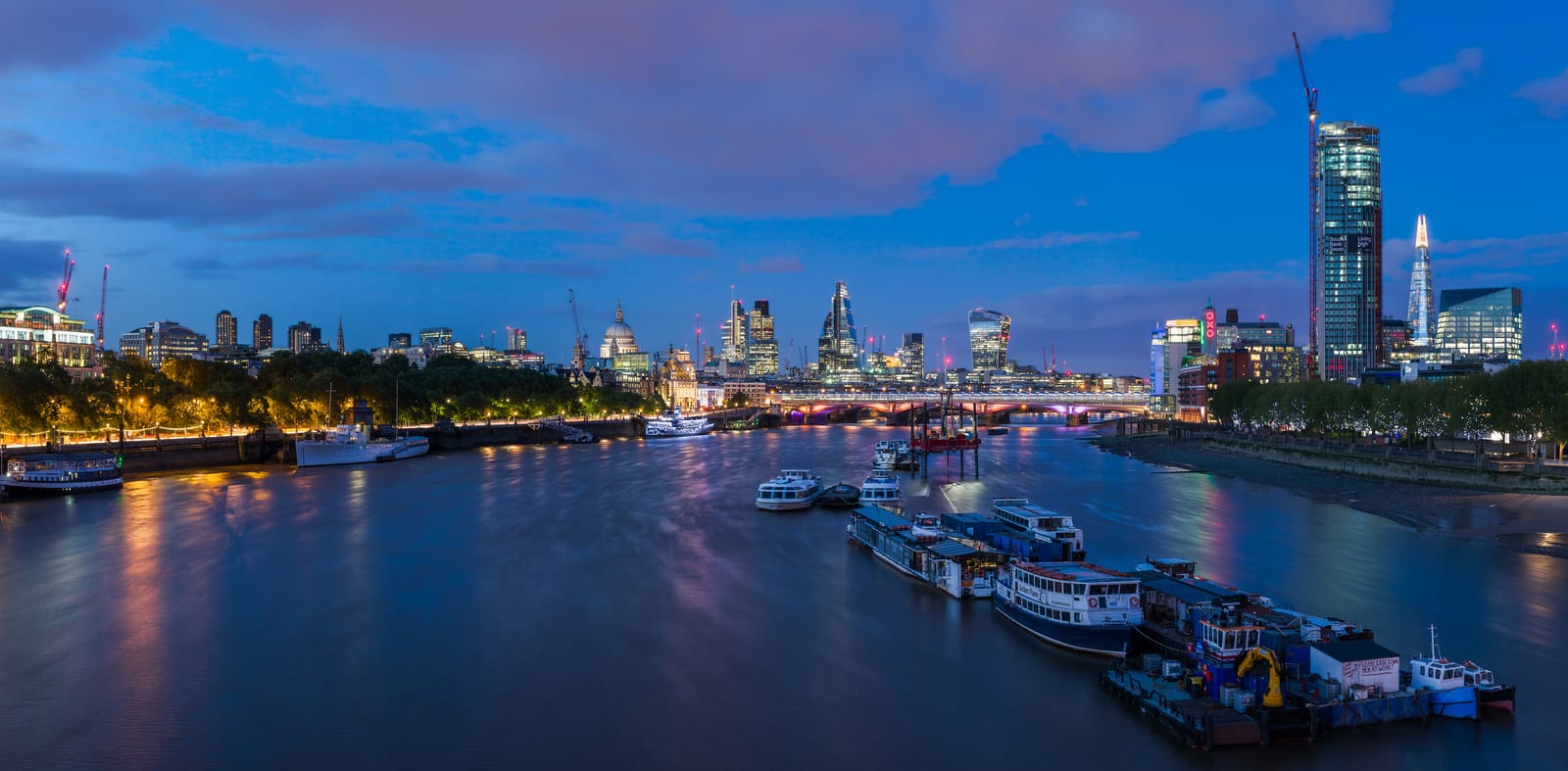
London Skyline from Waterloo Bridge, London, UK - Diliff (opens in a new tab)
Photo: Diliff (opens in a new tab) / Wikimedia Commons (opens in a new tab)
Licence: CC BY-SA 3.0 (opens in a new tab)
Changes: cropped to 3:2; colour slightly adjusted.
8. The car
And then there is the car although unless you have a compelling reason to drive, your own vehicle is more hindrance than help. Parking is difficult and expensive, traffic is heavy and then there’s the Congestion Charge and ULEZ charges. Frankly, don’t bother.
Walk when the distance is short, take the Tube when you need speed, catch a bus when you want to see the city.
So best advice is to walk when the distance is short, take the Tube when you need speed, catch a bus when you want to see the city, use a cab when convenience matters and take the river when the journey itself is part of the experience.
Finally, although it’s not really practical for most sightseeing trips, the cable car 90 metres above the Thames is a bargain at £6 a trip and gives undoubtedly the best views of any transport around London.
Written for the guide in September 2026. Prices, opening hours and booking arrangements change, so check with each venue before you go.
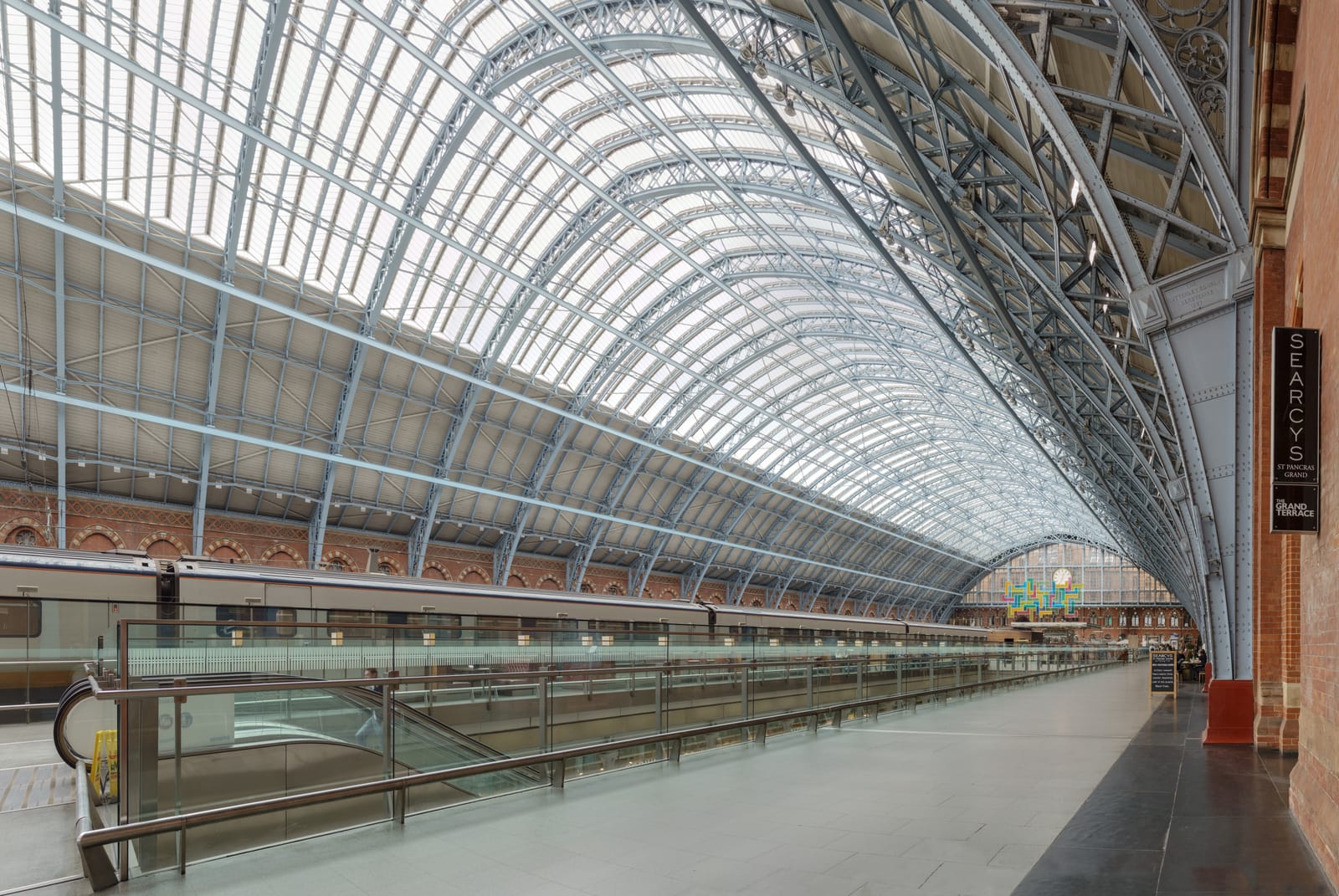
Header photograph: A Eurostar under Barlow's trainshed at St Pancras International.
More from the London guide
All 7 articles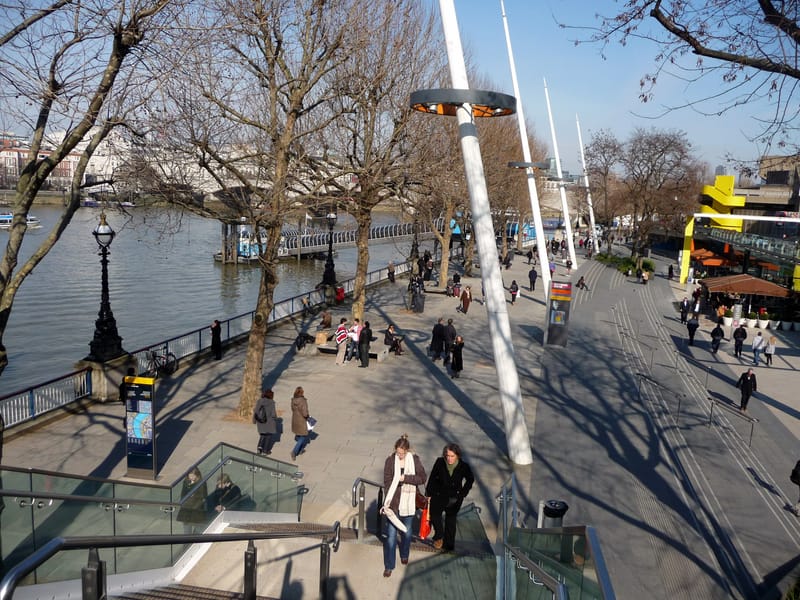

Still raising pre-seed (budget trip)
Ten Free Things to Do in London
An extraordinary amount of the city is completely free to enjoy.
3 min read

Food
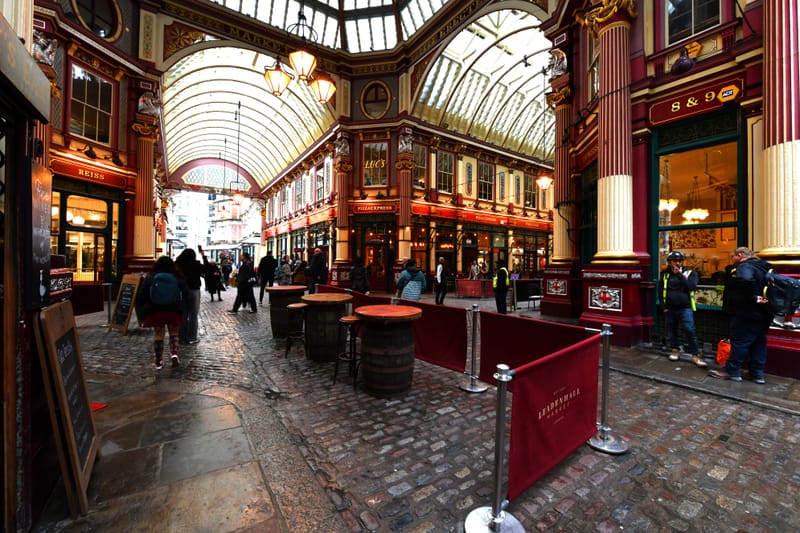
Ten Great Cheap Eats in London
Some of London’s most interesting food can still be bought for less than a tenner, if you know where to look.
3 min read

West End Theatreland
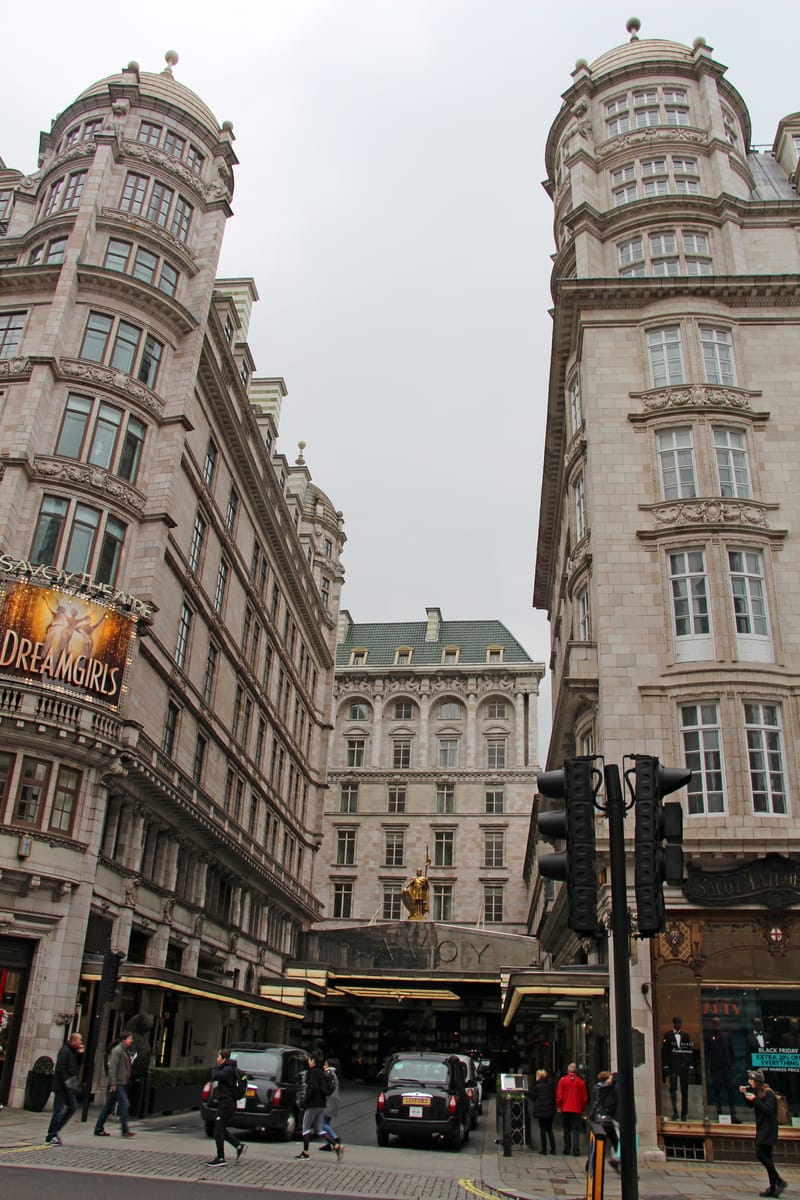
East End boys? West End girls?
For millions of visitors every year, the West End means quite simply Theatreland.
2 min read