History of science
Five Titans of Science with a London Connection
Five people whose discoveries changed how we understand the human body, disease and life itself.
By Dave Hart
Vice President of Onyx
3 min read
London has witnessed an extraordinary number of hugely significant medical discoveries which have changed the way we understand the human body, disease and the basic machinery of life. All five of the people here have connections with London - how many do you know?
1. William Harvey - the man who discovered the circulation of blood
In the early 17th century, most people believed the heart worked rather differently from the way we understand it today. William Harvey, a physician who studied and later taught at St Bartholomew’s Hospital, challenged centuries of accepted wisdom. In 1628 he demonstrated that the heart pumps blood around the body in a continuous circulation. It was a revolutionary idea - and one that could be tested by observation rather than simply accepted because ancient authorities had said so.
2. Joseph Lister - the surgeon who made operations safer
It’s hard to imagine surgery before anyone understood infection, but for centuries that is the way it was. A successful operation could often be followed by a fatal infection. Joseph Lister, who studied medicine at University College London and later became Professor of Clinical Surgery at King’s College London, changed that. Inspired by Louis Pasteur’s work on microorganisms, he introduced antiseptic techniques using carbolic acid. His work helped transform surgery from something desperately dangerous into a much more controlled science. He’s now widely regarded as a father of modern surgery.
3. Alexander Fleming - the lucky accident
In 1928, at St Mary’s Hospital in Paddington, Alexander Fleming noticed something unusual in a discarded laboratory culture: mould had killed the bacteria around it. The substance became known as penicillin. Fleming’s observation was only the beginning - Howard Florey, Ernst Chain and their colleagues later developed methods for producing it on a scale that could treat patients. But Fleming’s discovery marked the dawn of the antibiotic age and ultimately saved millions of lives.
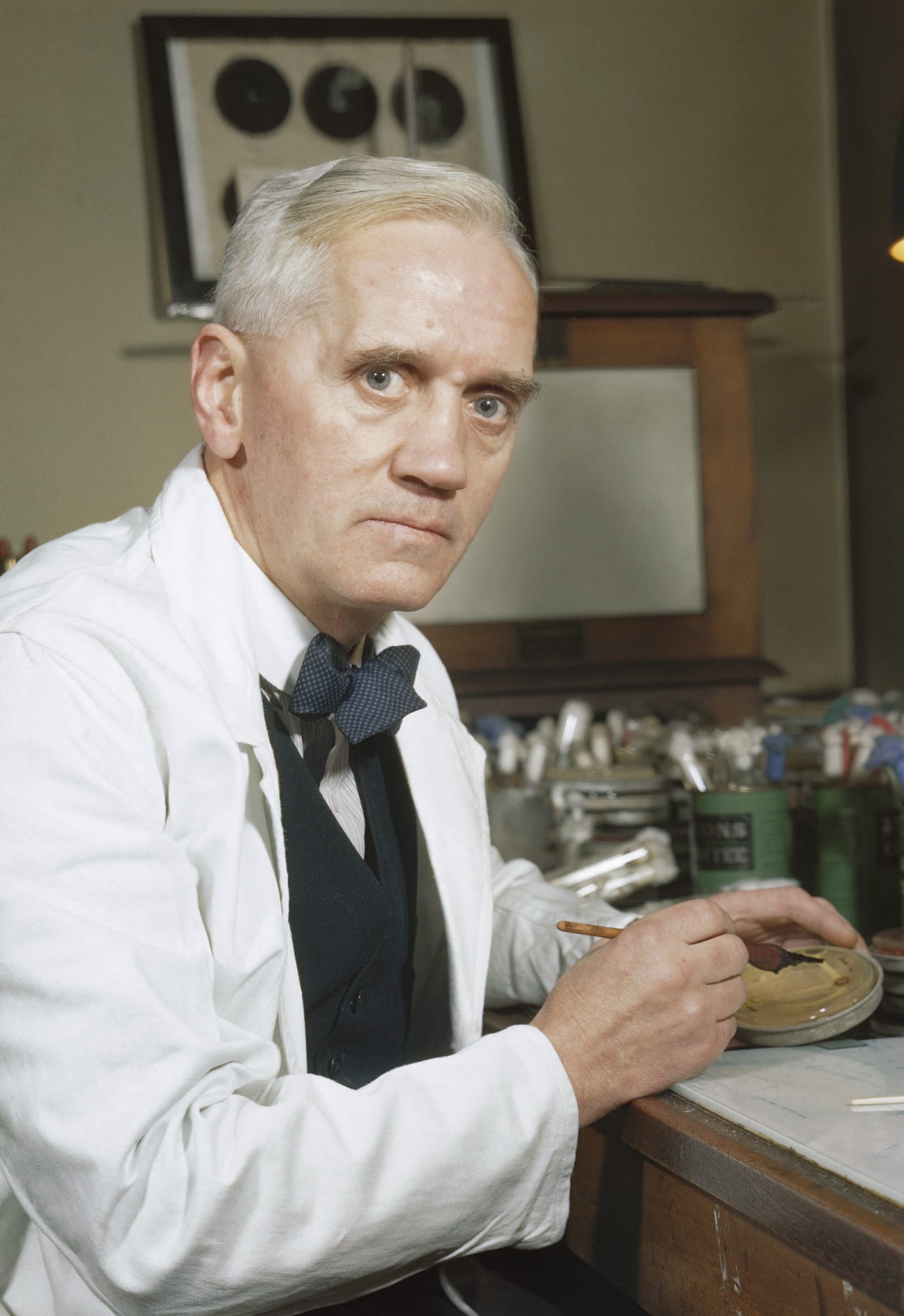
Synthetic Production of Penicillin TR1468 crop (opens in a new tab)
Photo: Official photographer / Wikimedia Commons (opens in a new tab)
Licence: Public domain (opens in a new tab)
Fleming’s discovery marked the dawn of the antibiotic age and ultimately saved millions of lives.
4. Rosalind Franklin - Photograph 51
At King’s College London in 1952, Rosalind Franklin and her PhD student Raymond Gosling produced the extraordinary X-ray diffraction image known as Photograph 51. It revealed crucial evidence that DNA had a helical structure and became an important part of the evidence behind the double-helix model developed by James Watson and Francis Crick. Franklin subsequently moved to Birkbeck in London, where her work on viruses helped establish structural virology.
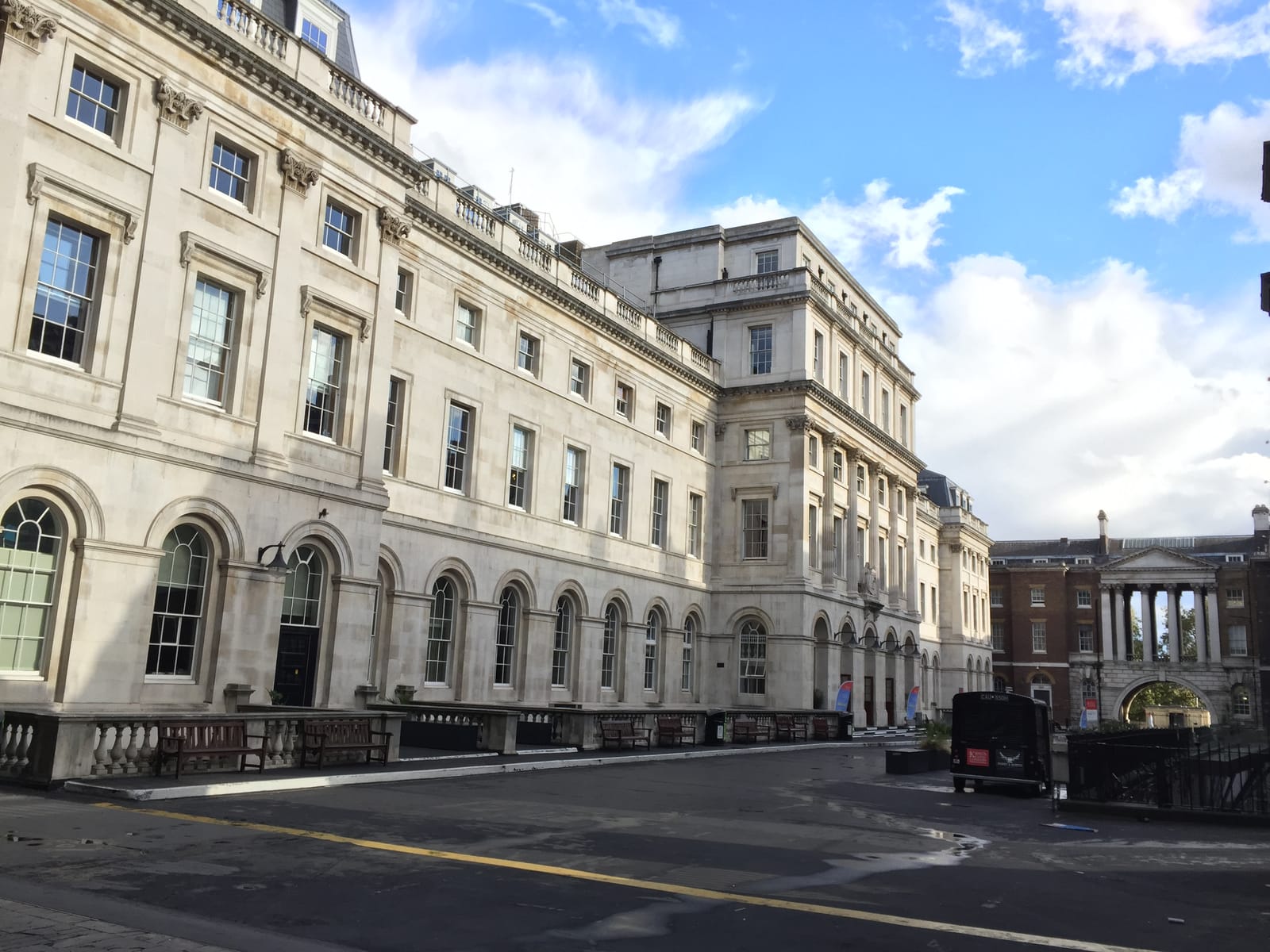
KCL King's Building 2 (opens in a new tab)
Photo: KiloCharlieLima (opens in a new tab) / Wikimedia Commons (opens in a new tab)
Licence: CC BY-SA 4.0 (opens in a new tab)
Changes: cropped to 3:2; colour slightly adjusted.
5. Francis Crick - discovering the code of life
Crick was one half of the partnership that produced the famous 1953 model of DNA’s double helix. He was educated at University College London before his wartime scientific work and later research at Cambridge. The DNA breakthrough fundamentally changed biology: once scientists understood how genetic information was stored, the door opened to modern molecular biology, genomics and biotechnology.
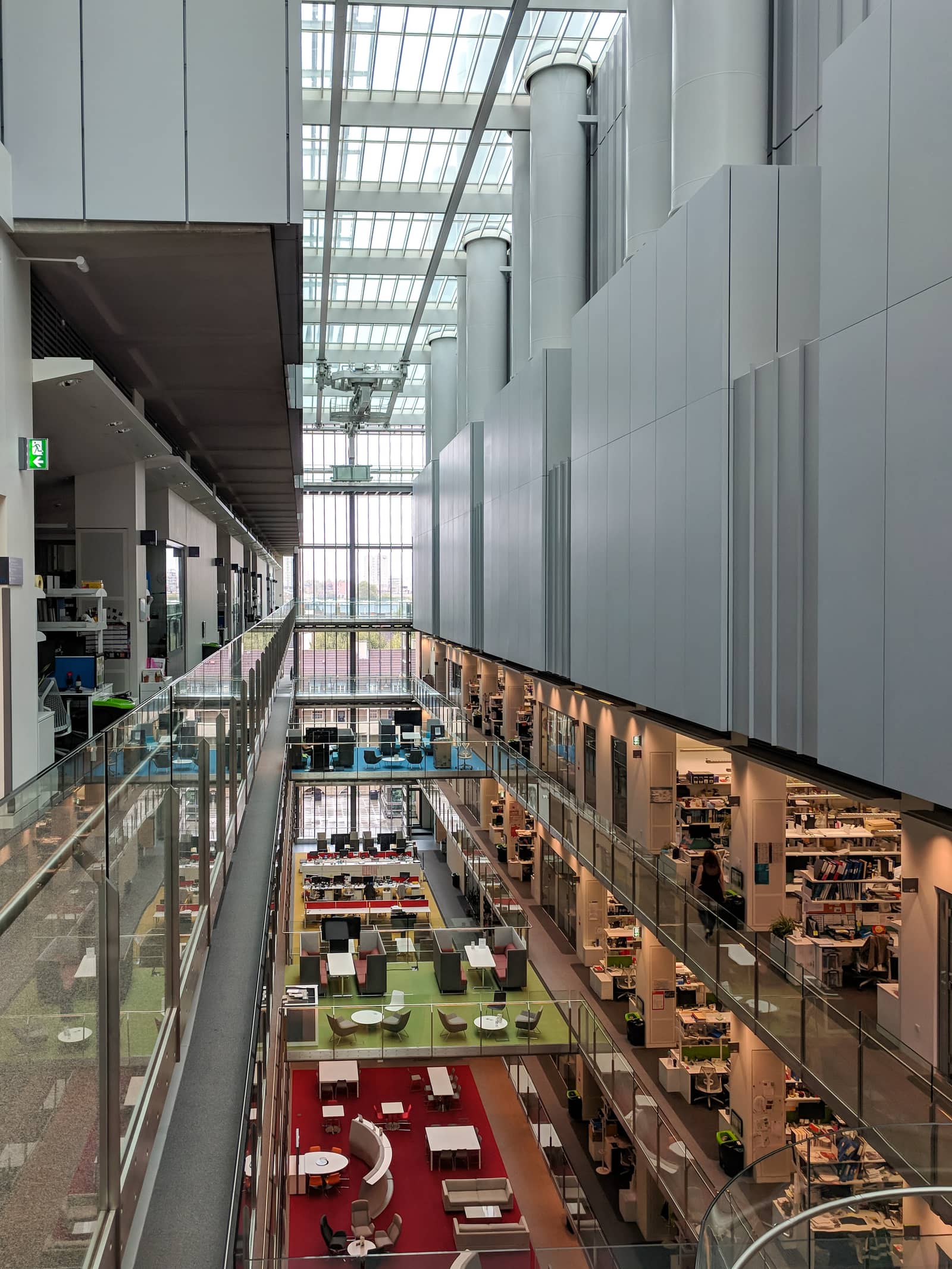
Francis Crick Institute interior - 3 (opens in a new tab)
Photo: The wub (opens in a new tab) / Wikimedia Commons (opens in a new tab)
Licence: CC BY-SA 4.0 (opens in a new tab)
Changes: cropped to 4:3; colour slightly adjusted.
Written for the guide in September 2026. Prices, opening hours and booking arrangements change, so check with each venue before you go.
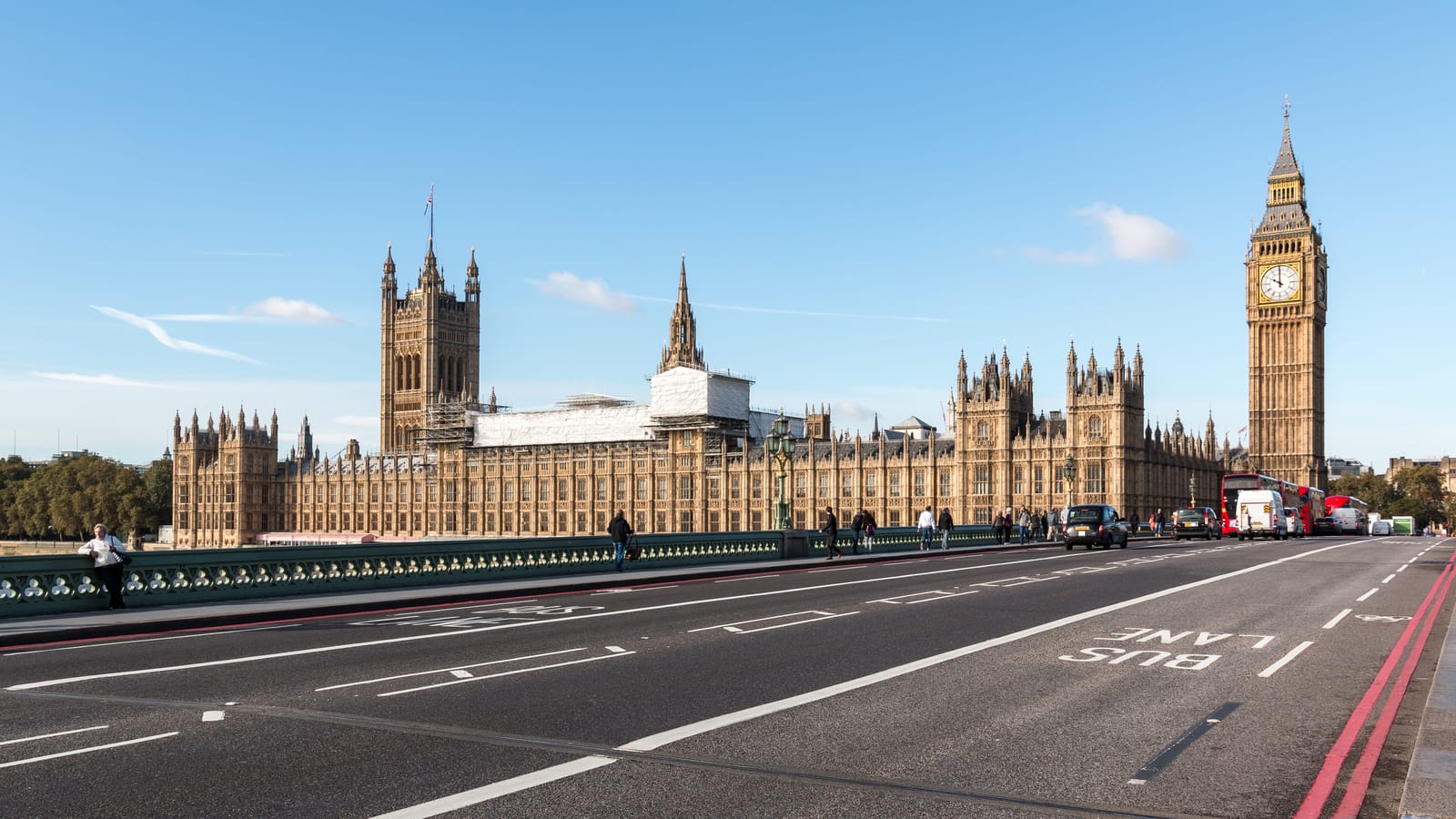
Header photograph: The Palace of Westminster from Westminster Bridge; the House of Lords sits at the southern end.
More from the London guide
All 7 articles
Where to stay
Going to Jefferies or Life Sciences Week? Ten hotels for every taste, from luxury to affordable
There is no shortage of hotels near to where the action is taking place. Here’s our pick for every pocket!
3 min read
Transport
Getting Around London
There is no single best way to travel. The trick is to use whichever method suits the journey.
3 min read
Still raising pre-seed (budget trip)
Ten Free Things to Do in London
An extraordinary amount of the city is completely free to enjoy.
3 min read