Medicine, biotech and science
Life Sciences in London - the big picture!
Ten places where medicine, biology and science become surprisingly accessible.

By Dave Hart
Vice President of Onyx
3 min read
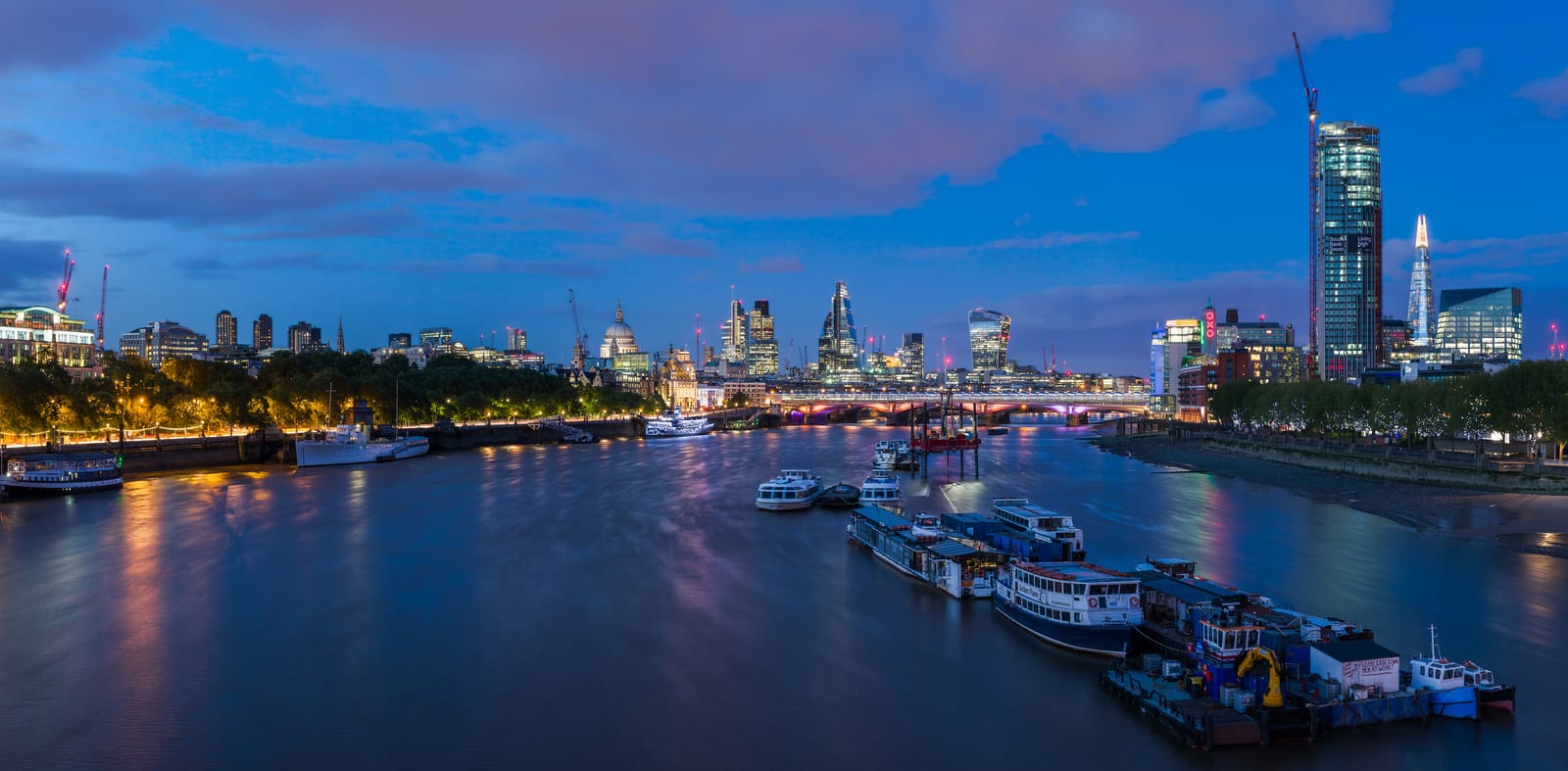

London is one of the world’s great centres of medicine and life sciences. London Life Sciences Week 2026 is keen to prove that’s the case today although the city’s contribution to science and medical discovery stretches back centuries. Here are ten places where medicine, biology and science become surprisingly accessible.
1. The Science Museum, South Kensington
Start here. Its enormous Medicine: The Wellcome Galleries trace 3,000 years of medical history, from early treatments to modern surgery and genetics. And because the museum’s permanent galleries are free, you can drop in for an hour or spend the entire day.
2. Wellcome Collection, Euston
This is less conventional - and all the better for it. The free museum explores health and medicine through objects, art, books and personal stories. Its collections range from ancient medical objects to material relating to the human genome. It is particularly good at showing that medicine isn’t simply about science; it is also about how societies understand illness and the human body.
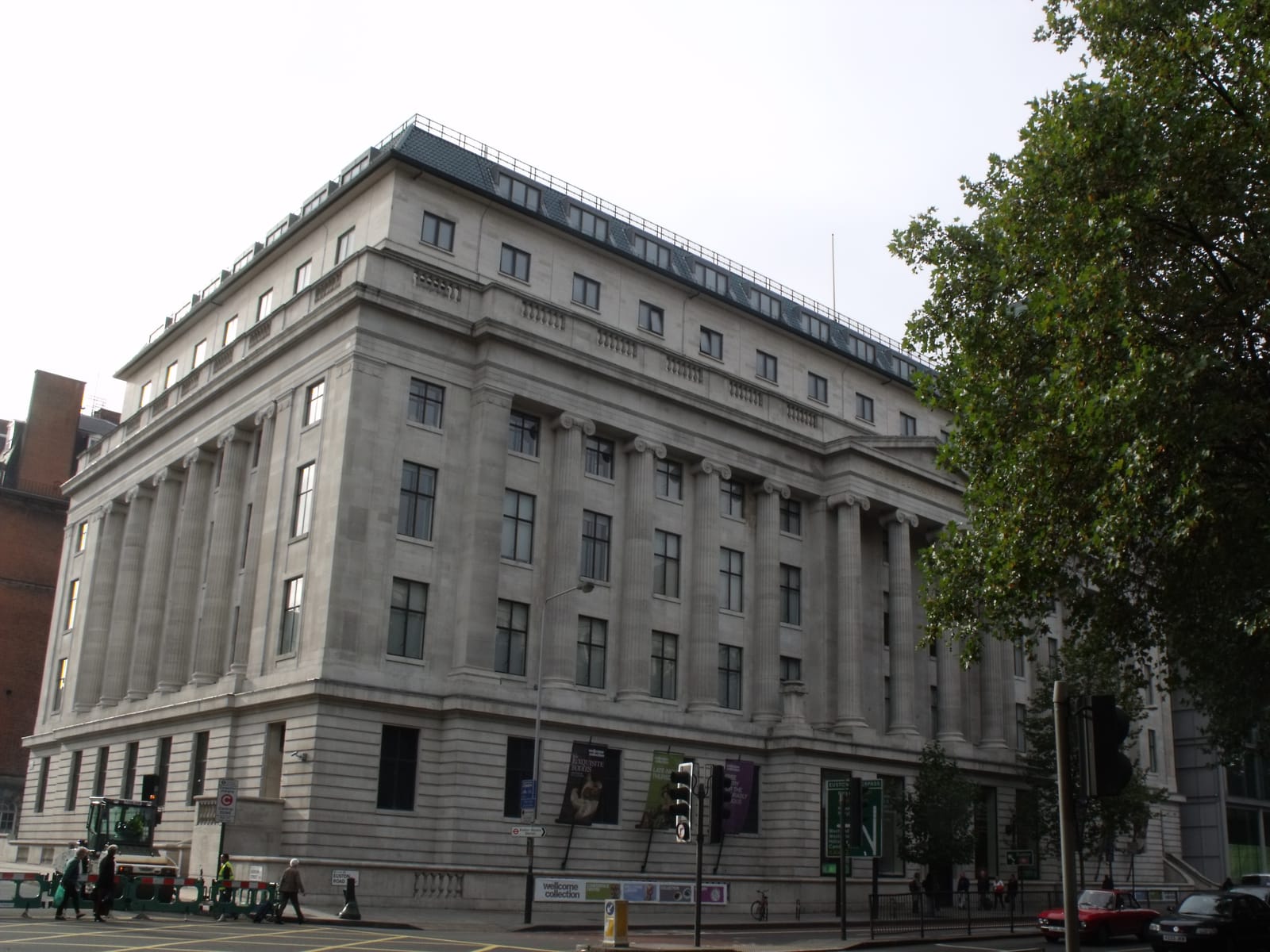
The Wellcome Building, Euston Road, London 2009-10-18 (opens in a new tab)
Photo: ell brown on Flickr (opens in a new tab) / Wikimedia Commons (opens in a new tab)
Licence: CC BY 2.0 (opens in a new tab)
Changes: cropped to 3:2; colour slightly adjusted.
3. The Hunterian Museum, Lincoln’s Inn Fields
For anyone interested in surgery, this is difficult to beat. Named after the 18th-century surgeon and anatomist John Hunter, the museum contains an extraordinary collection illustrating the development of surgery and anatomy. Entry is free, although booking is recommended.
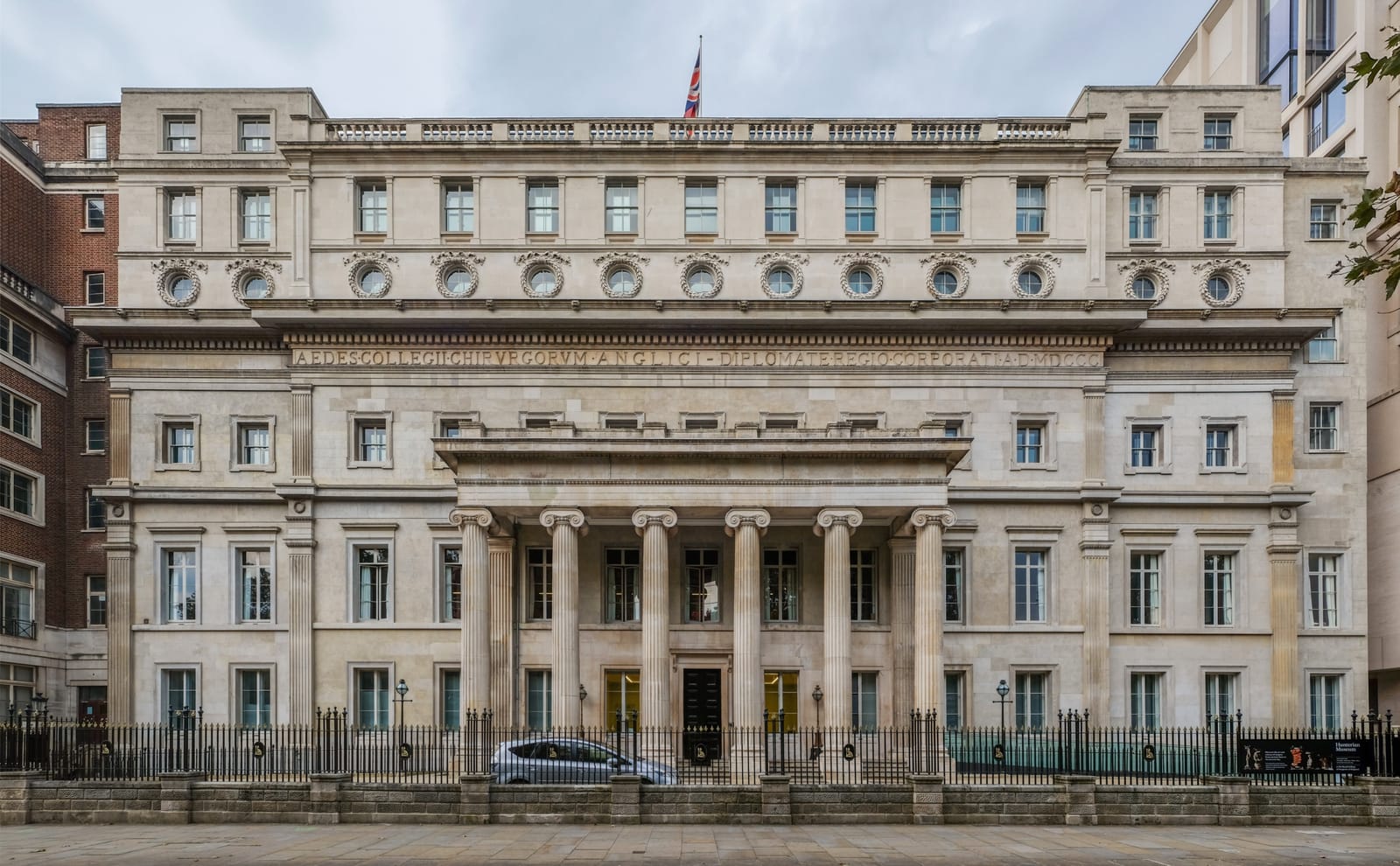
Royal College of Surgeons of England September 2023 (opens in a new tab)
Photo: Jonas Magnus Lystad (opens in a new tab) / Wikimedia Commons (opens in a new tab)
Licence: CC BY-SA 4.0 (opens in a new tab)
Changes: cropped to 3:2; colour slightly adjusted.
4. The Old Operating Theatre, Southwark
Climb the stairs inside St Thomas’s Church and you find one of Europe’s oldest surviving operating theatres. Before anaesthesia and modern antisepsis, surgery was a very different business. It is a small museum, but an unforgettable glimpse into the history of medicine.
5. The Francis Crick Institute, King’s Cross
This is where you move firmly from medical history into the science of tomorrow. The Crick is one of Europe’s largest biomedical research centres, bringing together scientists investigating cancer, infection, immunity and many other areas of biology. It occasionally holds public exhibitions, talks and open events - worth checking before your visit.
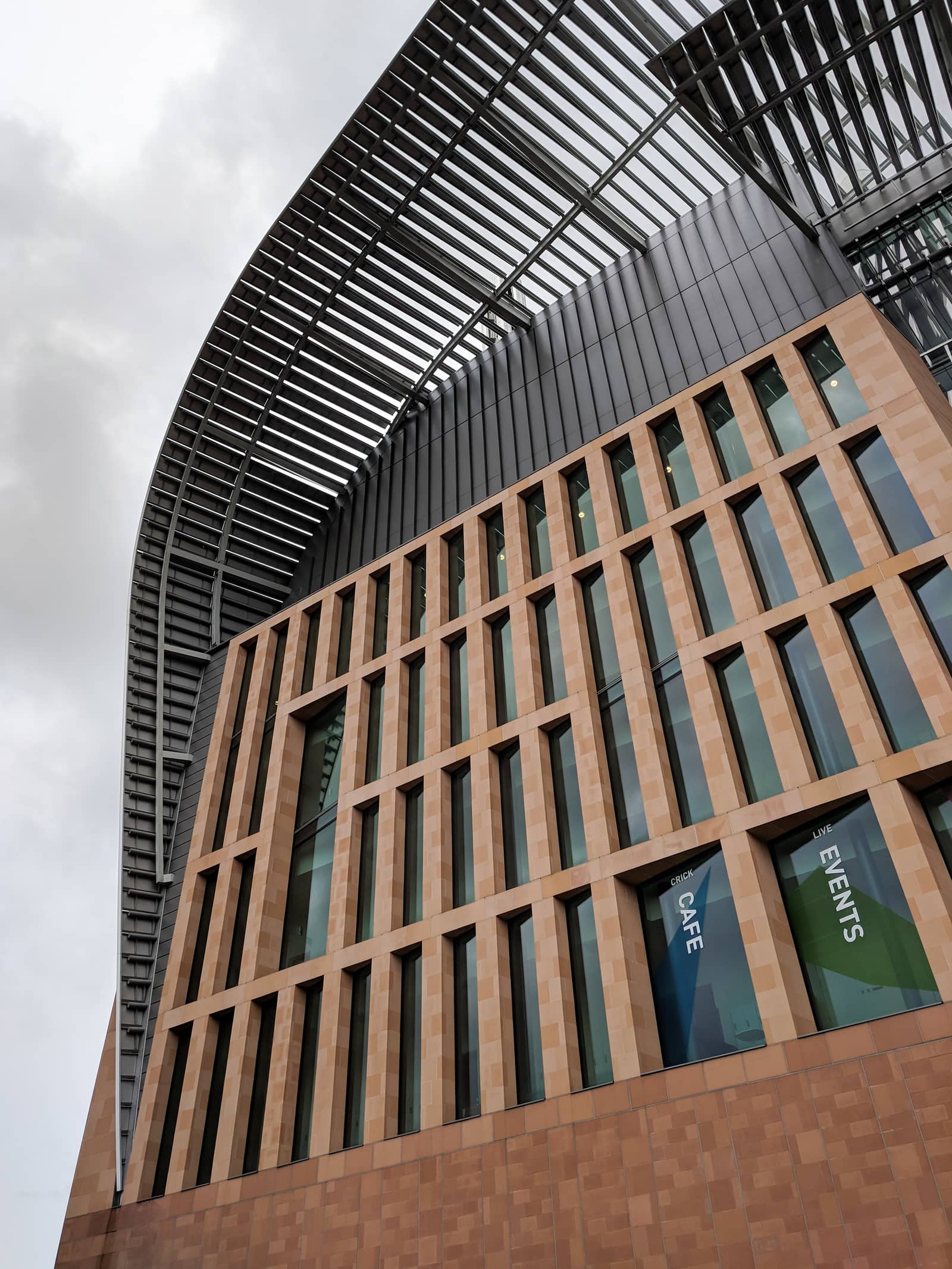
Francis Crick Institute exterior (opens in a new tab)
Photo: The wub (opens in a new tab) / Wikimedia Commons (opens in a new tab)
Licence: CC BY-SA 4.0 (opens in a new tab)
Changes: cropped to 4:3; colour slightly adjusted.
6. The Royal Institution, Mayfair
Michael Faraday once demonstrated electricity here, and the famous Christmas Lectures have been introducing science to the public for nearly two centuries. Today there are public lectures and events covering everything from genetics and neuroscience to climate and technology.
Improvements in healthcare aren’t always made in laboratories.
7. The Florence Nightingale Museum
Inside St Thomas’ Hospital, this small museum tells the story of the woman who transformed nursing during the Crimean War. It is a reminder that improvements in healthcare aren’t always made in laboratories; sometimes they begin with organisation, observation and a determination to change the way patients are treated.
8. The Anaesthesia Heritage Centre, Portland Place
A wonderfully specialist little museum containing more than 4,500 objects charting the development of anaesthesia, pain relief and resuscitation. For anyone working in medicine, it is fascinating; for everyone else, it offers an extraordinary insight into how quickly surgery changed once patients could be kept unconscious and pain-free.
9. Barts Pathology Museum
If your interest runs towards the more unusual side of medicine, Barts is worth seeking out. Its historic collection contains thousands of pathological specimens illustrating diseases and medical conditions. Public access is limited, so check for open days and events before making the journey.
10. Follow the medical history of London on foot
This option costs nothing with the bonus of getting your steps up for the day! Walk from St Bartholomew’s Hospital, founded in 1123, through Smithfield towards St Paul’s, or explore the medical institutions around Bloomsbury and King’s Cross. London has been a centre of medical education for centuries, and the names of hospitals, colleges and researchers are woven into the streets.
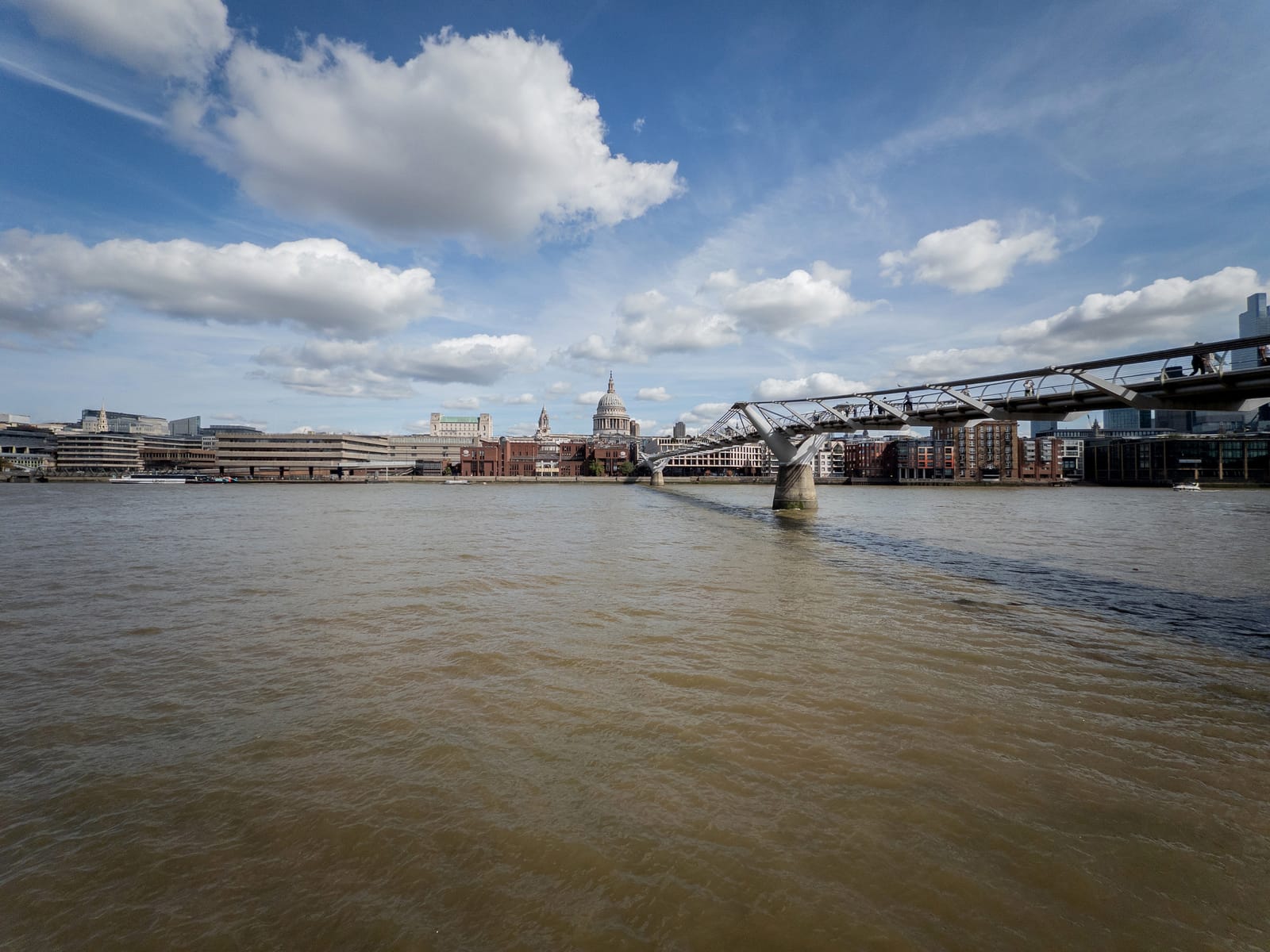
Millennium Bridge and St Paul's Cathedral, 2026-08-10 (opens in a new tab)
Photo: Brett Jordan on Flickr (opens in a new tab) / Wikimedia Commons (opens in a new tab)
Licence: CC BY 4.0 (opens in a new tab)
Changes: cropped to 3:2; colour slightly adjusted.
Written for the guide in September 2026. Prices, opening hours and booking arrangements change, so check with each venue before you go.
Header photograph: The Thames from Waterloo Bridge at dusk, towards St Paul's and the City.
More from the London guide
All 7 articles

History of science
Five Titans of Science with a London Connection
Five people whose discoveries changed how we understand the human body, disease and life itself.
3 min read
Where to stay
Going to Jefferies or Life Sciences Week? Ten hotels for every taste, from luxury to affordable
There is no shortage of hotels near to where the action is taking place. Here’s our pick for every pocket!
3 min read

Transport
Getting Around London
There is no single best way to travel. The trick is to use whichever method suits the journey.
3 min read